Learn about the Office of Healthcare Equity's vision, strategic blueprint, and the team driving positive change in healthcare education and delivery at UW Medicine.
Access training, assessment tools, and resources designed to build a more equitable healthcare environment. Find practical solutions for implementing equity, diversity, and inclusion in your work.
Explore our specialized centers and research initiatives dedicated to addressing health disparities and advancing equity-focused innovation in healthcare delivery and education.
Learn how we partner with diverse communities to create inclusive, culturally responsive healthcare services and meaningful engagement opportunities for patients and community members.
Find meaningful ways to contribute to healthcare equity through learning, volunteering, advocacy, and philanthropy. Everyone can make a difference—discover how you can help.
Access news, events, publications, and practical tools to support your healthcare equity work. Whether you're a provider, educator, or advocate, find the resources you need to advance equity.
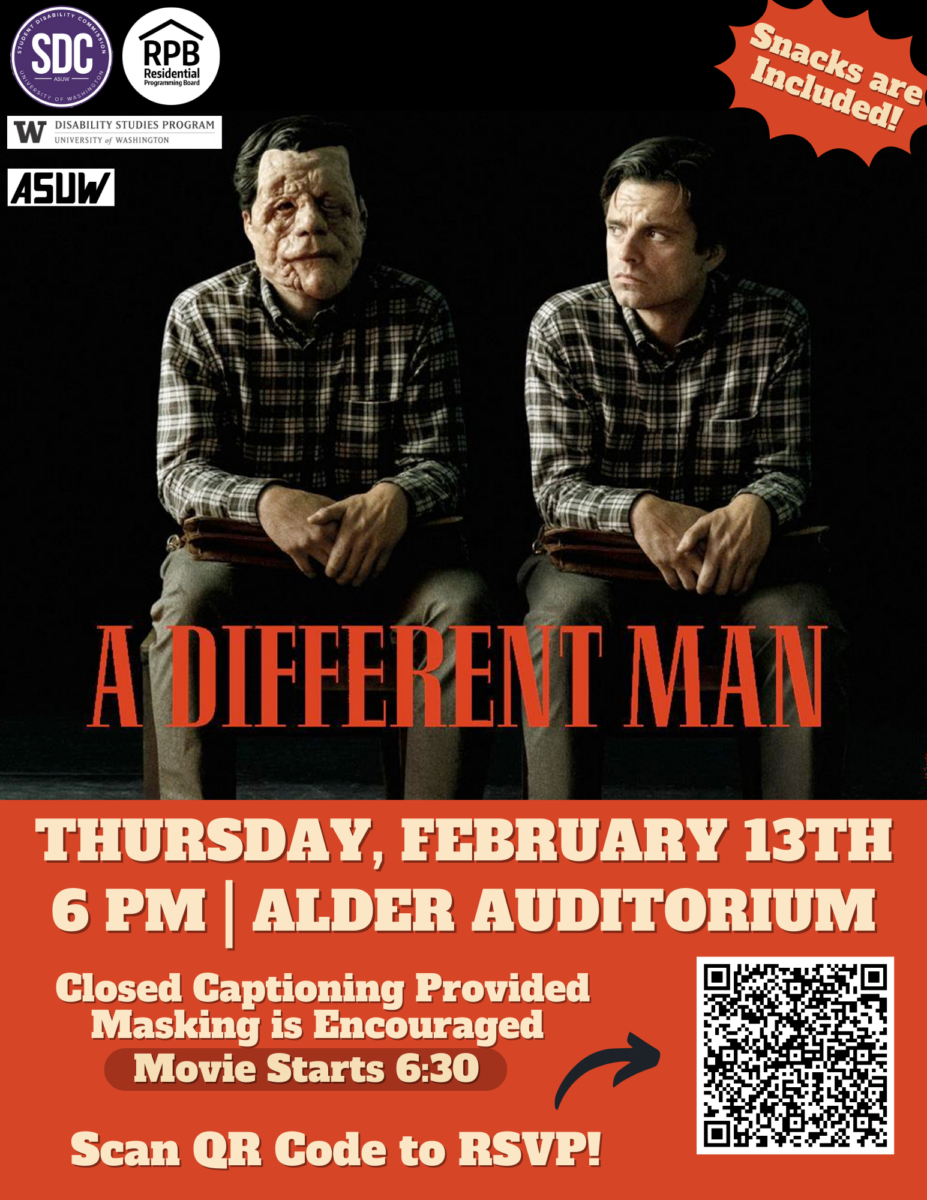
Join us for this collaboration! Film screening of the 2024 film, A Different Man, starring Adam Pearson and Sebastian Stan (Golden Globe winner) and directed by Aaron Schimberg.
Fred Hutch Cancer Center’s 4th Annual Diversity, Equity & Inclusion Progress Report spotlights their ongoing work across four key areas: Health Equity, Employee Engagement and Workforce Data, Pathways to Science, and initiatives from the DEI Core and Office of Faculty Affairs and Diversity. This report captures Fred Hutch’s dedication to collaboration, a unified culture, scientific excellence, and an unwavering commitment to improving patient experiences.
Students at the UW School of Medicine, with guidance from Edwin Lindo, JD, associate dean for Social and Health Justice in the Office of Healthcare Equity, raised concerns about the use of race in medical case studies, sparking a multi-year reflection within the Department of Ophthalmology. Questioning race as a diagnostic criterion, these students initiated a shift in how it is addressed in medical education. The department engaged in deep discussions, training, and research. As a result, they removed race from case studies. This effort highlights the ongoing journey to challenge outdated medical assumptions and promote more equitable healthcare.
Wanted you to be aware that a U.S. House of Representatives Resolution Recognizing the importance of Diversity, Equity, and Inclusion efforts in Medical Education was introduced on April 30, 2024 by Congresswoman Joyce Beatty (OH-3) and Congresswoman Kathy Castor (FL-14), co-chairs of the Congressional Black Caucus’ Diversity, Equity, and Inclusion (DEI) Task Force.
The Association of American Medical Colleges, National Medical Association, and National Hispanic Medical Association along with list of organizations have endorsed this important resolution.
Dr David J. Skorton provides excellent quote within the press release linked below. Teamwork makes the dreamwork!
Photo of representatives Joyce Beatty (OH-3) and Kathy Castor (FL-14), co-chairs of the Congressional Black Caucus’ Diversity, Equity, and Inclusion (DEI) Task Force
This is a list of ableist words and terms for reference purposes. Some of the entries are slurs, some are descriptions of disabled people or other people with pathologized identities/bodies/experiences, some are slang that derive from ableist origins, and some are common metaphors that rely on disability and ableism.
The Disability Visibility Project is an online community dedicated to creating, sharing, and amplifying disability media and culture. Disabled narratives matter and that they belong to us
OEDIB has created a series of guides and toolkits covering various topics related to diversity, inclusion and belonging to support the Harvard community in our shared pursuit of inclusive excellence. For additional resources please visit the OEDIB Learning Hub. These guides are continuously evolving documents that we plan to improve over time. We welcome your input. Please feel free to provide any feedback at edib@harvard.edu
From Everett Herald: There is a “great scarcity” of Spanish-speaking doctors and nurses across the country, said Leo Morales, associate dean of health equity at the University of Washington. About 13% of people in the United States identify as Hispanic, and nearly 70% speak Spanish at home. But only 8% of doctors speak Spanish, according to data from the U.S. Census Bureau and the Latino Health and Culture research center at the University of California, Los Angeles. Just over 10% of nurses are Hispanic, according to a national nurse survey. Read more at the link: https://www.heraldnet.com/news/state-lacks-spanish-speaking-nurses-for-everett-student-its-personal/